Insights2 min read

Google wants to end the “15 open tabs” shopping struggle

Google presents UCP as a way to shop through assistants. This analysis of the January 2026 announcement distinguishes that promise from actual adoption.

Written byIdir Ouhab

What if buying online were as easy as sending a message? That was the promise of Universal Commerce Protocol (UCP) in January 2026. Google announced checkout for eligible U.S. retailers in AI Mode and Gemini. That announcement did not make every shop available inside every assistant. Original announcement.
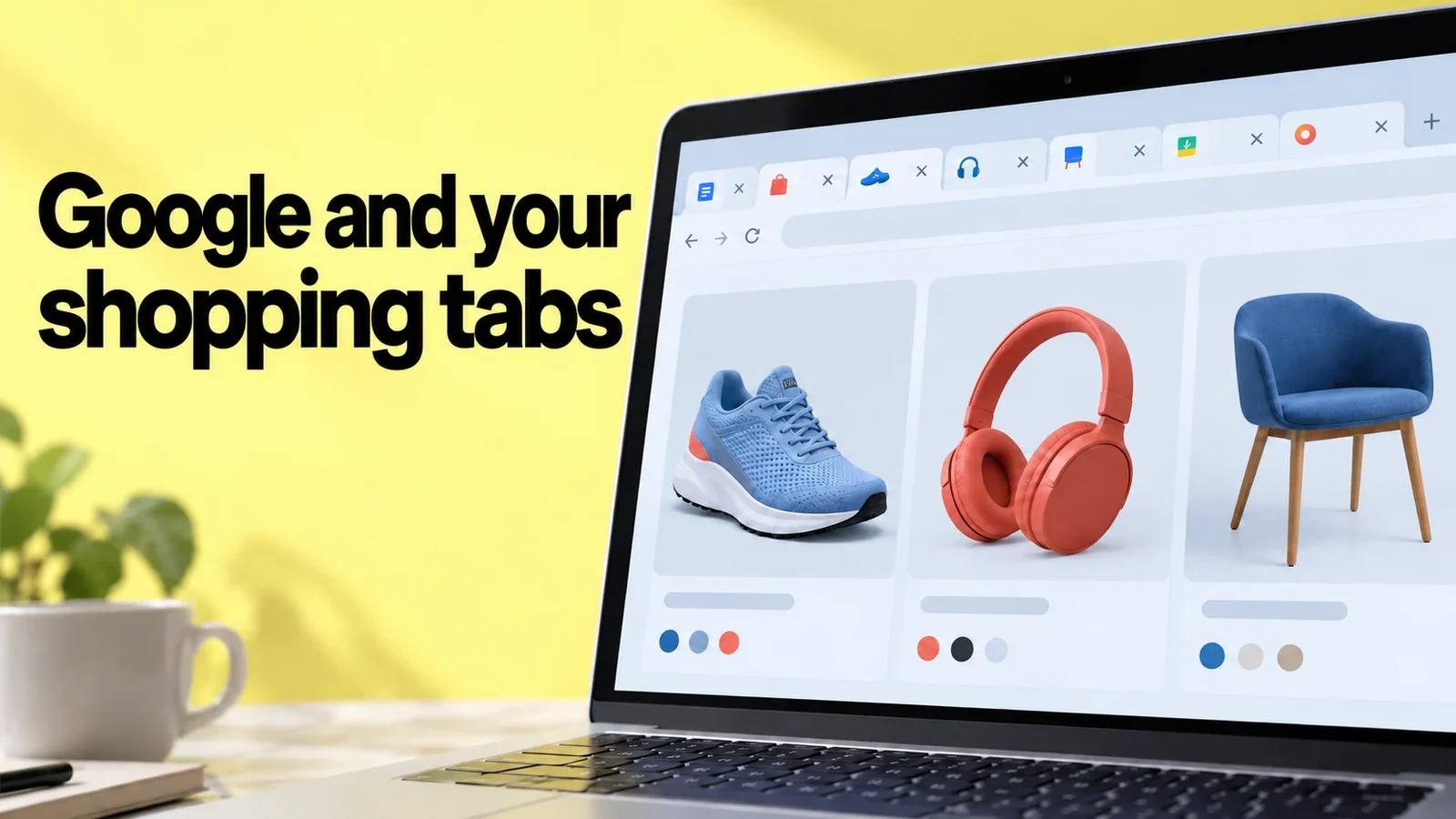
Cover image for Google wants to end the “15 open tabs” shopping struggle

Imagine asking for a carry-on bag and completing a purchase in the conversation. That illustrates the idea; whether it works depends on the retailer, assistant and checkout integration.

What they’re promising with this system:

The protocol lets a retailer advertise the commerce capabilities it supports. Payment and delivery details depend on the integration; UCP alone does not guarantee fingerprint payment, anonymous shopping or a single-use card code. Technical overview.

The fine print:

Google named Shopify, Etsy, Wayfair, Target and Walmart as co-developers. Visa and Mastercard were among the endorsers. Participation in an announcement is not the same as a live checkout integration.

The January announcement described an initial U.S. rollout and plans to expand. My interest is whether this actually saves shoppers effort; that needs checking in the integrations people can use.

About the author

Idir Ouhab

AI Deployment Engineer at OpenAI, trainer and host of Prompt&Play. I write about what I learn taking AI into production.

Your next step

Is your team working on something similar?

Find out in a minute where your project stands, from prompt to production, and what your next step would be.

Share

Topics

  • google
  • shopify
  • online shopping
  • tabs management
  • ecommerce
  • user experience
  • shopping tools
  • browser tabs
  • digital convenience
Always active

Remembers your language and cookie choices. A separate session cookie keeps administrators signed in. These are not used for advertising.

Your choices are valid for 180 days in this browser. Optional purposes start switched off. If browser storage is unavailable, your choice lasts for this page only.

You can withdraw permission here at any time. If optional content has already loaded, the page reloads to stop it; unsent form changes may be lost.

How cookies and storage are used