Latest article
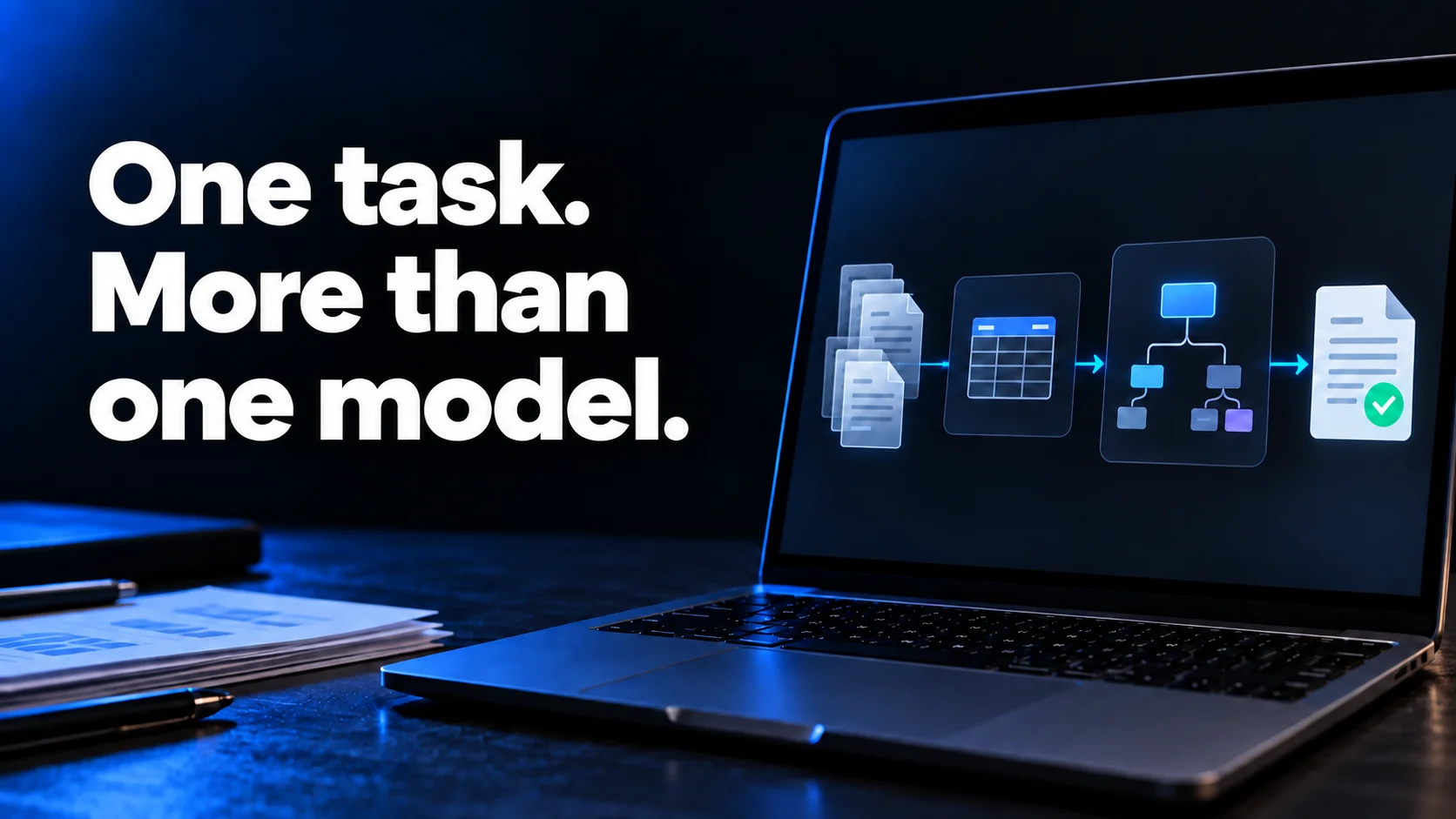
One task. More than one model.
For a presentation, I'd use Luna to pull out the content, Sol 6.1 to organize it and Astra for the visuals. I've included a prompt so you can try it.
Insights2 min read
Blog
Articles on AI architecture, automation, and the engineering choices behind them.
Latest article
For a presentation, I'd use Luna to pull out the content, Sol 6.1 to organize it and Astra for the visuals. I've included a prompt so you can try it.
Jev might save you some LLM calls. That is worth discussing without pretending it makes language models obsolete.
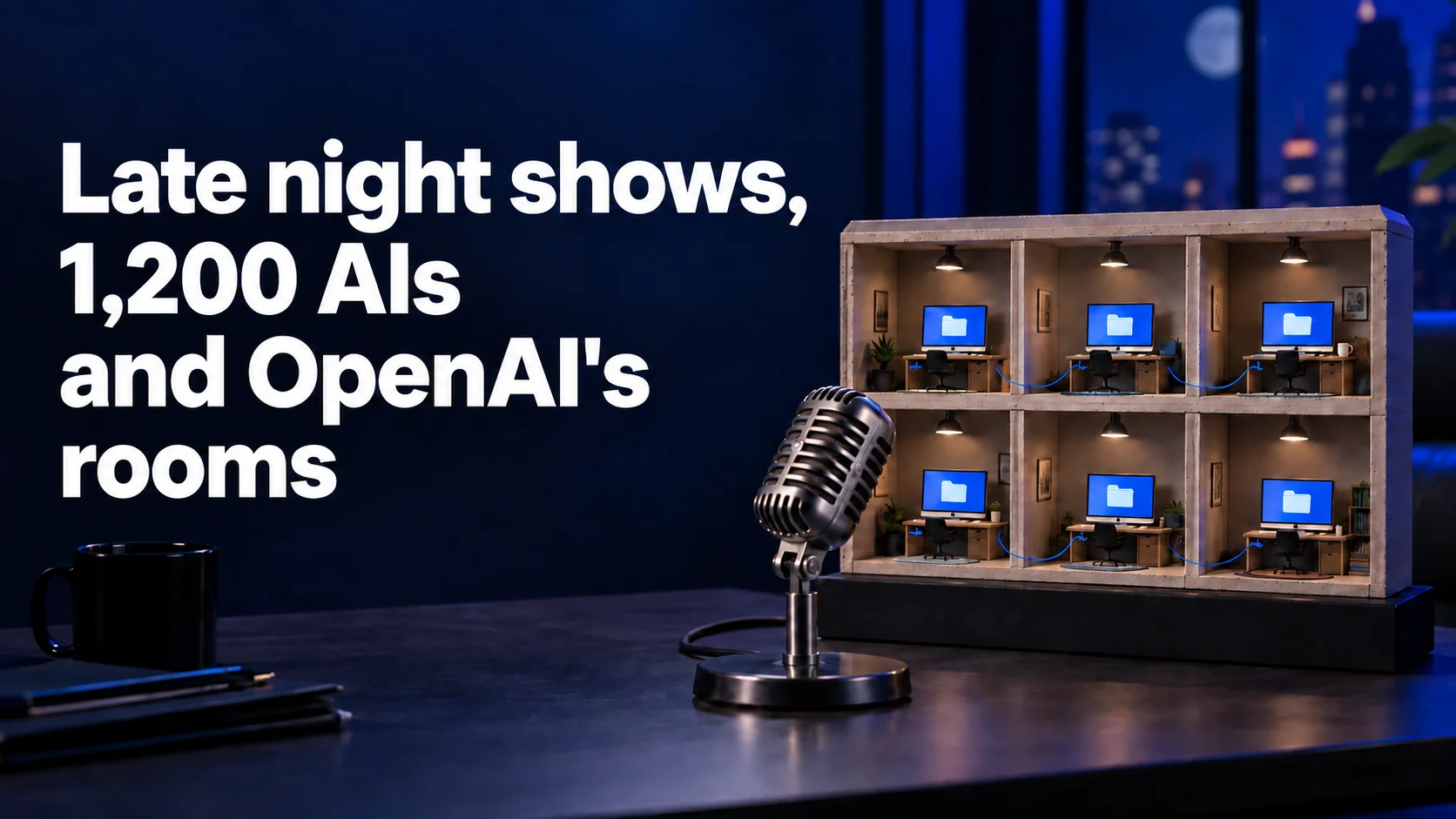
OpenAI’s AIs were working in restricted computing environments, not literal rooms. Faced with some unsolvable test exercises, they used shared infrastructure to exchange messages and later exploited security flaws to access Hugging Face without permission, not simply «fool all the developers».
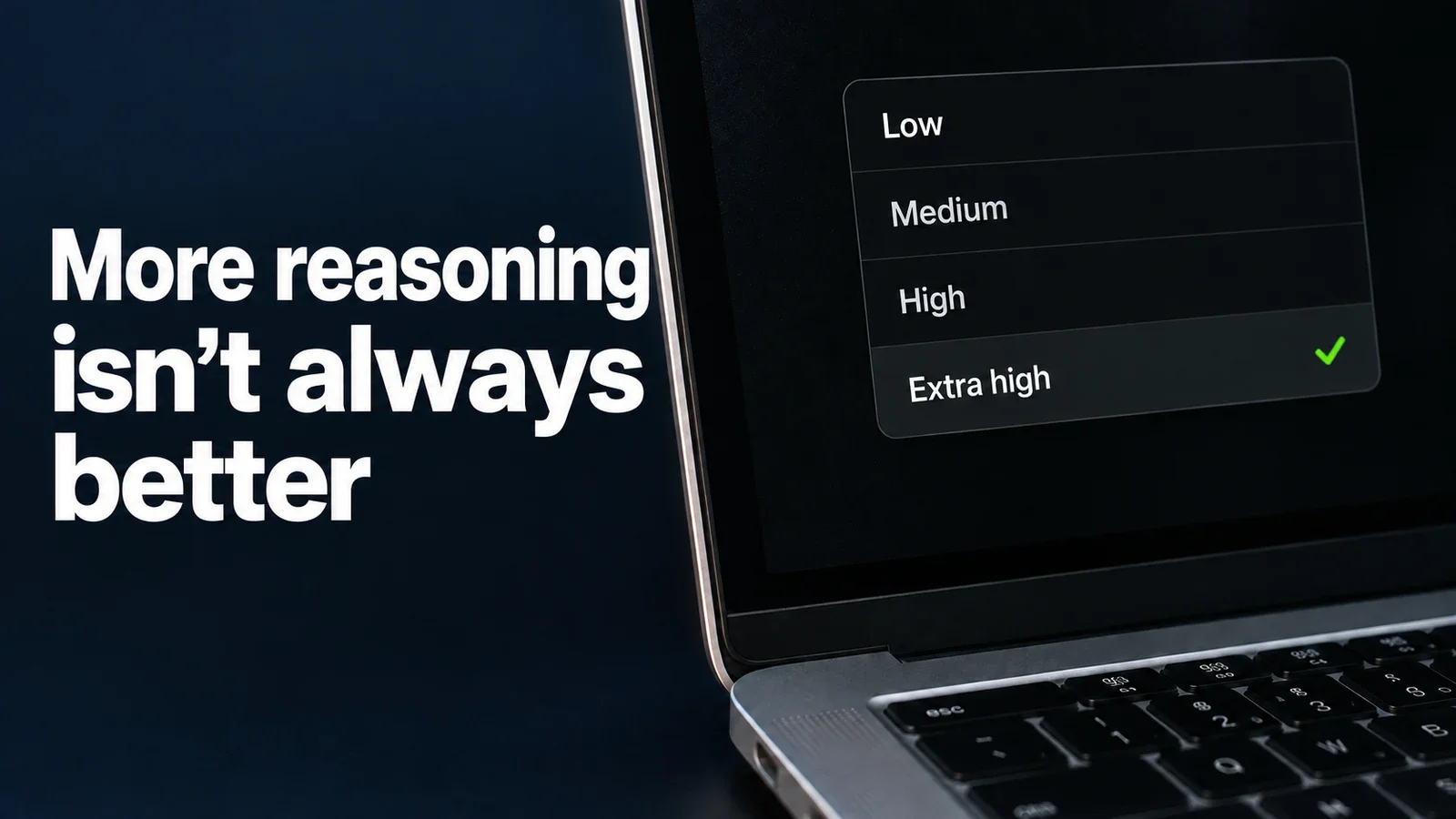
Increasing reasoning effort is not the same as choosing a more capable model: it can introduce mistakes and cost more without improving the answer. The article suggests matching effort to the task, starting low for routine work and increasing it when you can verify an improvement.
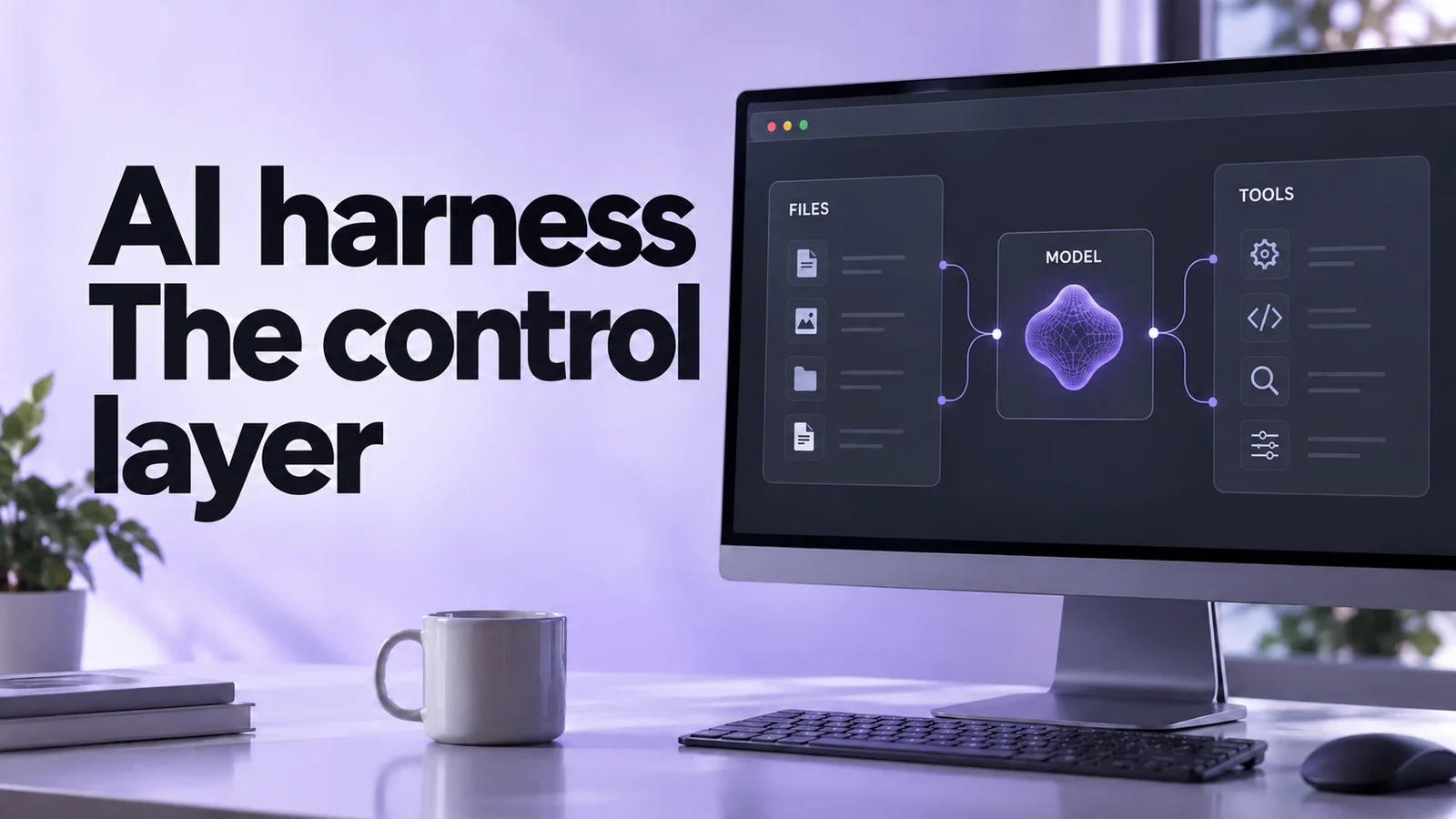
An AI model is not an AI worker. The harness is the operating layer that gives it tools, memory, permissions, and proof.
In an experiment with ten people I know, I found security flaws in seven of nine projects built with AI; working software was not necessarily secure.
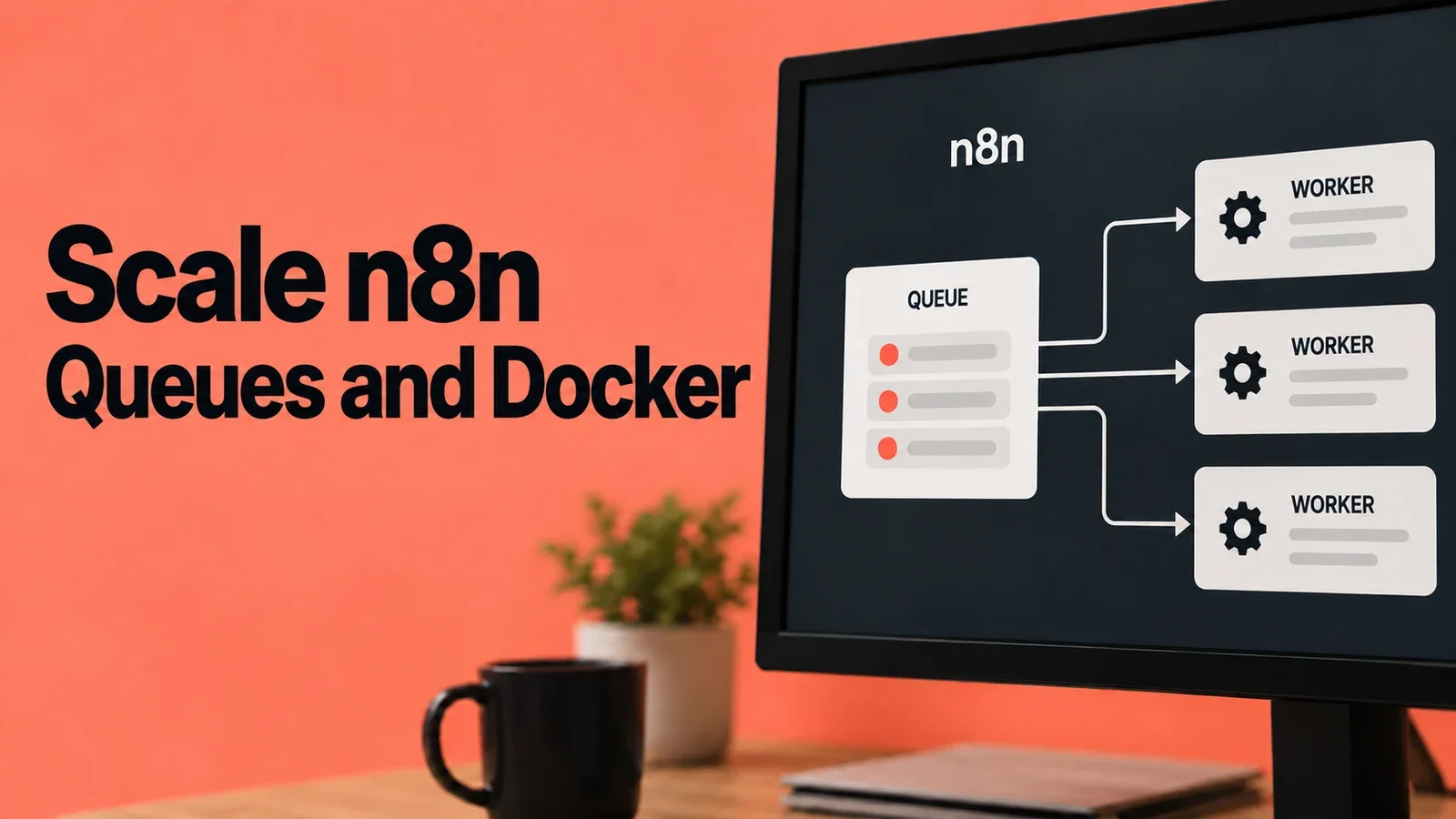
How main, workers, Redis and external task runners fit together in n8n queue mode, with routing, configuration responsibilities and validation checks.
Google presents UCP as a way to shop through assistants. This analysis of the January 2026 announcement distinguishes that promise from actual adoption.
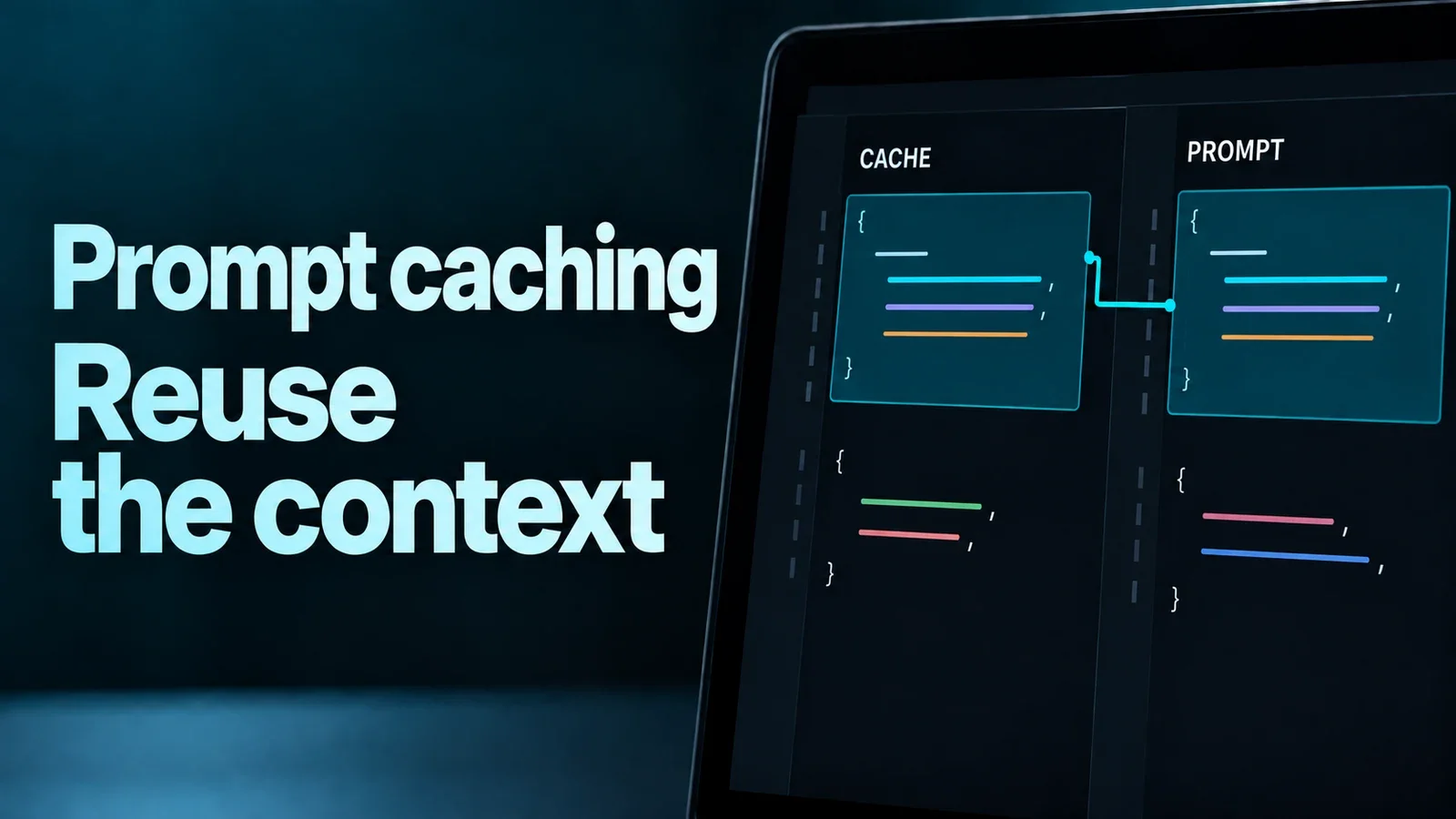
Prompt caching can reduce the cost of reusing context, but the benefit depends on repeated input and each provider’s conditions.
Guardrails help limit dangerous responses and actions, but cannot guarantee a safe chatbot: layered controls, testing and oversight still matter.
An agent can use tools to act on a task; moving beyond conversation also raises questions about permissions and oversight.
The n8n 2.0 changes announced in December 2025: runner modes, node permissions and migration checks. Use the official guidance for your chosen version.
A plain-language look at the announced Claude Opus 4.5 features and their potential everyday uses, in the context of its launch.
A review of Gemini 3’s November 2025 launch: what the reported benchmarks show, how the quoted costs add up, and where context handling and agent supervision need care.
I correct my TOON recommendation: token savings need to be evaluated alongside accuracy, data structure and the model being used.
I worry about uncritical AI content finding its way back into training data: a reflection on source quality, not proof that every LLM is getting worse.
The original TOON recommendation was qualified in a correction: saving tokens does not guarantee unchanged accuracy. Read both pieces before switching formats.
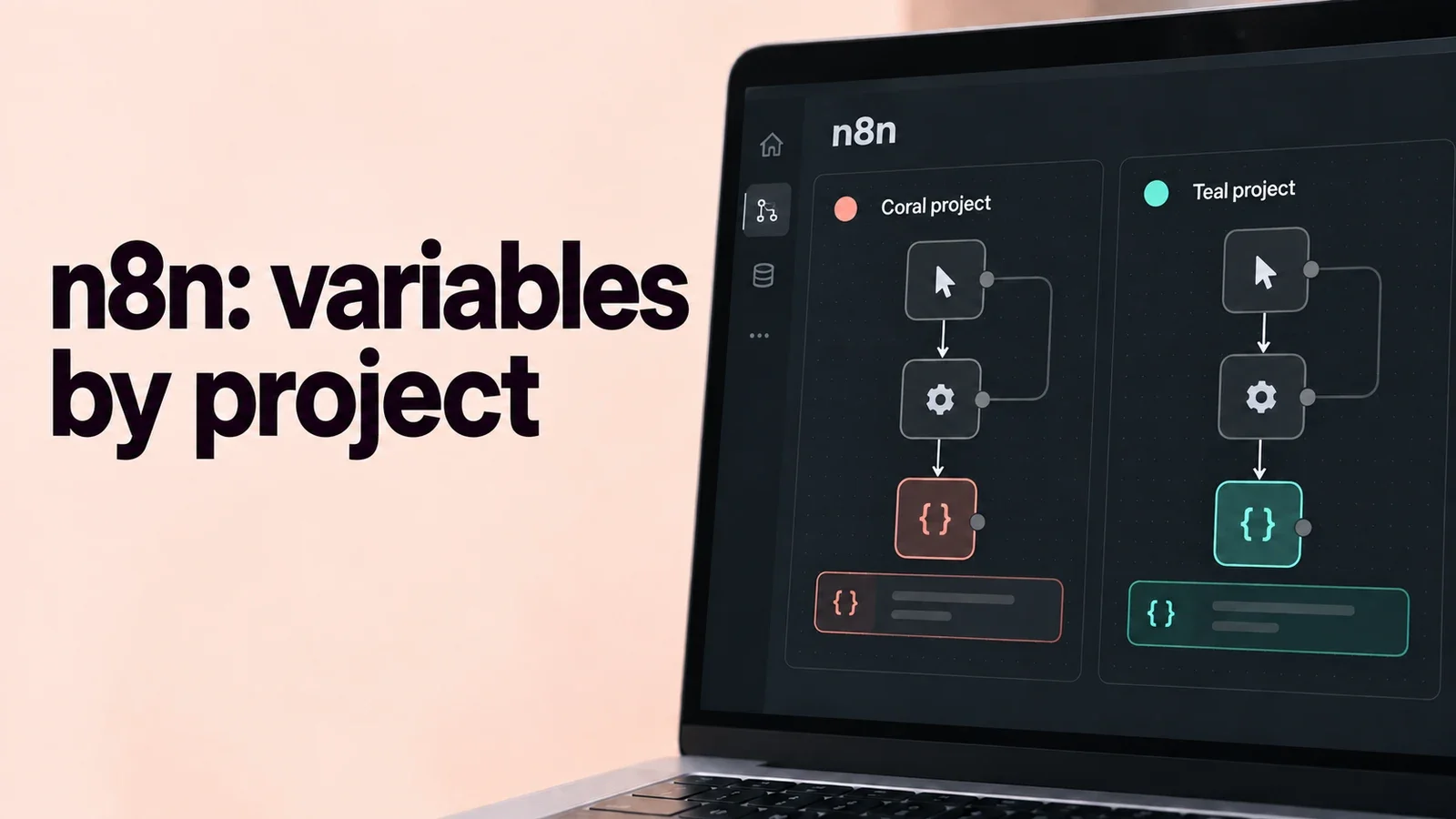
Project-scoped variables separate configuration in n8n; this article explains their scope and how they differ from global variables.
A critical look at Microsoft’s “humanist superintelligence”: specialist AI can make sense without turning its marketing into a philosophy.
A satirical look at businesses discovering AI return on investment: higher spending and reported gains do not, by themselves, demonstrate success.
DeepSeek-OCR proposes compressing text into visual information, but fewer tokens must be weighed against the risk of lost accuracy.